

Why Ransomware groups are increasingly targeting OT environments
When a factory is forced to halt production, costs mount and customers need answers. Ransomware groups are increasingly exploiting that pressure by targeting the systems...
Our Managed Detection and Response Services provide continuous monitoring from a team who’ll neutralise any breaches at speed...
Gain access to malware experts to quickly contain threats and reduce future exposure to attacks...
Integrity360 has been recognised as a Gartner Representative Vendor.
Many organisations are choosing CyberFire MDR to strengthen their defences. Discover how it can protect your business in our brochure.
Cyber attacks often seem faceless, but hidden behind the headlines of financial loss and technical details there are very real human stories.
In 2025, we’re witnessing a shift in how ransomware operates, who it targets, and the consequences of falling victim.
Stay ahead of the latest cybersecurity industry developments, advancements and threats, and understand how you can best protect your organisation.
Do you know what your company’s network vulnerabilities are? Businesses that invest in penetration testing do.
If your business handles credit card data, PCI DSS compliance isn’t optional—it’s critical. From retailers and e-commerce platforms to service providers and financial institutions, securing credit card data is critical to customer trust and preventing fraud.
Stay informed with the latest cybersecurity news with our weekly threat roundups.
Confused about cybersecurity? Our A-Z Glossary of terms can help you navigate this complicated industry.
For many small and mid-sized businesses, cybersecurity can feel overwhelming.
SOC 2 certification reflects Integrity360’s continued investment in strengthening cyber resilience for clients across highly regulated and high-risk industries.
Integrity360 has acquired leading Identity specialist CyberIAM, a well-established and highly respected cybersecurity Identity services company operating from the UK and South Africa.
 Under Attack?
Posts about:

When a factory is forced to halt production, costs mount and customers need answers. Ransomware groups are increasingly exploiting that pressure by targeting the systems...
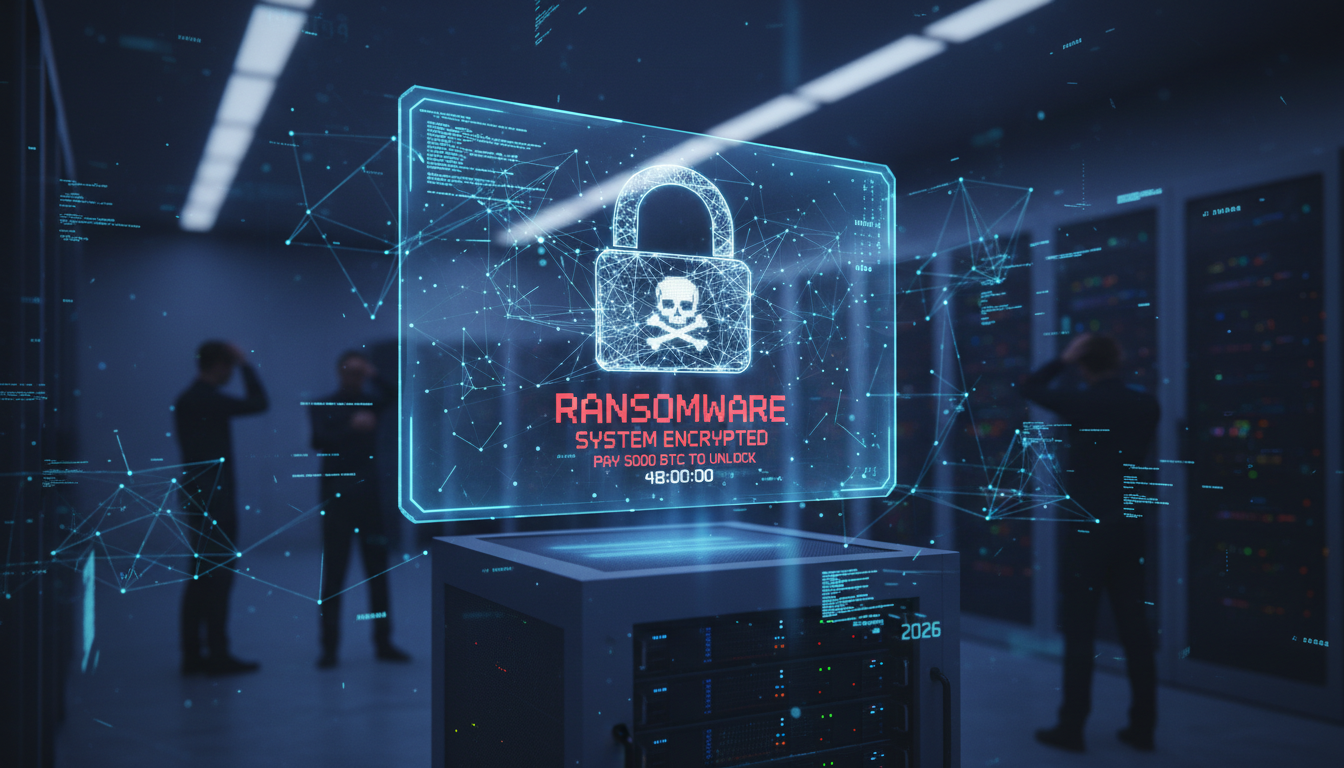
In 2026, the landscape of ransomware attacks will continue to evolve, drawing from past trends while adapting to new defences and technologies. This blog will look into how ransomware is changing in 2026.
Ransomware attacks have surged in recent months causing huge disruption and financial losses to some big companies. Many organisations are ill-equipped to tackle attackers who continuously probe for weaknesses. That’s where Continuous Threat Exposure Management (CTEM)as a service comes in.Offering a proactive, data-driven approach that helps reduce ransomware risks before they become full blown incidents.

A ransomware attack is a nightmare scenario for any organisation. It’s disruptive, costly, and often deeply damaging to your reputation. How you respond in the first 24 hours can make all the difference between containment and catastrophe. In those critical moments, fast and informed action is essential. Not just to mitigate harm, but to enable recovery and identify root causes.

In 2025, we’re witnessing a shift in how ransomware operates, who it targets, and the consequences of falling victim. It’s no longer just about stolen data—it’s about eroded trust, crippled operations, and long-term brand damage. This blog explores the evolving ransomware threat landscape for 2025.

The UK government’s latest ransomware proposals aim to shield businesses and public services from ransomware attacks that cost the economy billions annually. These proposed new measures aim to target the financial lifelines of cybercriminals by banning ransomware payments from public sector bodies and critical national infrastructure organisations, such as the NHS, local councils, and schools. The government’s approach also includes mandatory ransomware incident reporting to bolster law enforcement’s ability to disrupt criminal networks.

We continue our lookback at the biggest cyber attacks of 2024… so far. Read Part one HERE

As 2024 draws to a close, numerous high-profile cyber incidents have dominated the headlines. With only two and a half months remaining and the Christmas season approaching, it's likely we'll see even more before year’s end. In this blog, the Integrity360 Incident Response team explores some of the most significant cyber attacks of the year... so far.

The legal sector has seen a dramatic 77% increase in successful cyber attacks over the past year, with incidents rising from 538 in 2022/23 to 954 in 2023/24. This rise is largely due to the sensitive and valuable nature of the information that law firms hold, making them prime targets for cybercriminals.

In 2024, the landscape of ransomware attacks will continue to evolve, drawing from past trends while adapting to new defences and technologies. This blog will look into how ransomware is changing in 2024.

In part 2 of our series on the major cyberattacks of 2023 we'll be examining the attacks on Royal Mail and JD Sports. We'll also take a closer look at one of the largest DDoS attacks ever documented and delve into the havoc caused by the Black Basta ransomware spree.

2022 has been a tumultuous year for cyber security, with a number of high-profile breaches and incidents making headlines around the world. From state-sponsored cyber attacks to extortion campaigns, it’s clear that the threat landscape is constantly evolving. In this blog post, we take a look at some of the most reported on incidents of 2022.
Hamburg, Germany
Paris, France
Brussels, Belgium
Calgary, Canada
Chester, United Kingdom