Why deepfakes are one of the biggest emerging threats to cyber security
Deepfakes are becoming a major cyber security threat
Our Managed Detection and Response Services provide continuous monitoring from a team who’ll neutralise any breaches at speed...
Gain access to malware experts to quickly contain threats and reduce future exposure to attacks...
Integrity360 has been recognised as a Gartner Representative Vendor.
Many organisations are choosing CyberFire MDR to strengthen their defences. Discover how it can protect your business in our brochure.
Cyber attacks often seem faceless, but hidden behind the headlines of financial loss and technical details there are very real human stories.
In 2025, we’re witnessing a shift in how ransomware operates, who it targets, and the consequences of falling victim.
Stay ahead of the latest cybersecurity industry developments, advancements and threats, and understand how you can best protect your organisation.
Do you know what your company’s network vulnerabilities are? Businesses that invest in penetration testing do.
If your business handles credit card data, PCI DSS compliance isn’t optional—it’s critical. From retailers and e-commerce platforms to service providers and financial institutions, securing credit card data is critical to customer trust and preventing fraud.
Stay informed with the latest cybersecurity news with our weekly threat roundups.
Confused about cybersecurity? Our A-Z Glossary of terms can help you navigate this complicated industry.
For many small and mid-sized businesses, cybersecurity can feel overwhelming.
SOC 2 certification reflects Integrity360’s continued investment in strengthening cyber resilience for clients across highly regulated and high-risk industries.
Leading Canadian cybersecurity services provider Advantus360 joins Integrity360 creating the group’s first hub in North America
Posts about:
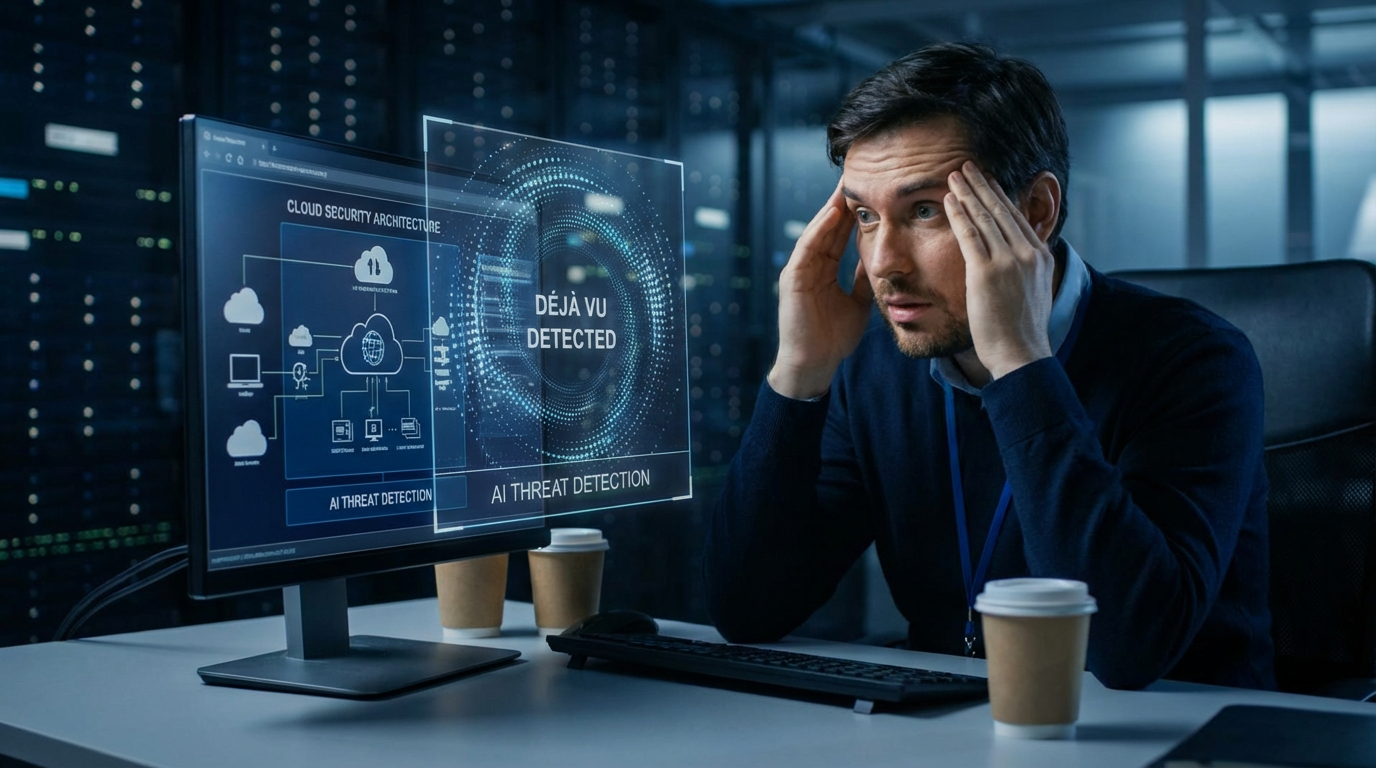
Deepfakes are becoming a major cyber security threat
Artificial Intelligence (AI) is rapidly transforming the cyber threat landscape, and phishing is evolving into something far more sophisticated than just mass email scams. AI is empowering attackers with the means to launch faster, smarter, and more personalised campaigns at scale.
Deepfake technology is rapidly evolving, making it easier for cybercriminals to manipulate digital content and deceive individuals and organisations. One of the most concerning threats that has emerged from this technology is deepfake social engineering – a sophisticated cyber attack method that leverages artificial intelligence (AI) to create realistic fake audio, video, or images to manipulate and defraud targets.
Updated June 2026 - Artificial intelligence is no longer a future cyber threat. It is changing how attackers research targets, write phishing messages, create deepfakes, generate malicious code, automate reconnaissance and scale fraud. In 2026, the danger is not that AI has created entirely new attack types, but that it has made existing tactics faster, cheaper and more convincing. Threat actors can now move from target discovery to exploitation with greater speed, while defenders face more noise, more realistic deception and more complex attack paths. This is why organisations need strong cybersecurity fundamentals, continuous monitoring and faster response.
In today’s digital-first world, adopting artificial intelligence (AI) brings remarkable benefits, but it also introduces significant cyber security and compliance risks. To help mitigate these risks and align with AI governance best practices, a comprehensive AI risk assessment is crucial. This strategic approach not only enhances cyber resilience but also ensures your organisation meets regulatory compliance standards like GDPR, NIS2, and DORA. Here’s how your company can implement an effective AI risk assessment framework to secure a leading position in ethical AI adoption and risk management.
AI adoption is transforming business practices across industries—from financial analysis to software engineering. Enterprises that strategically embrace this technology will gain a significant competitive advantage.
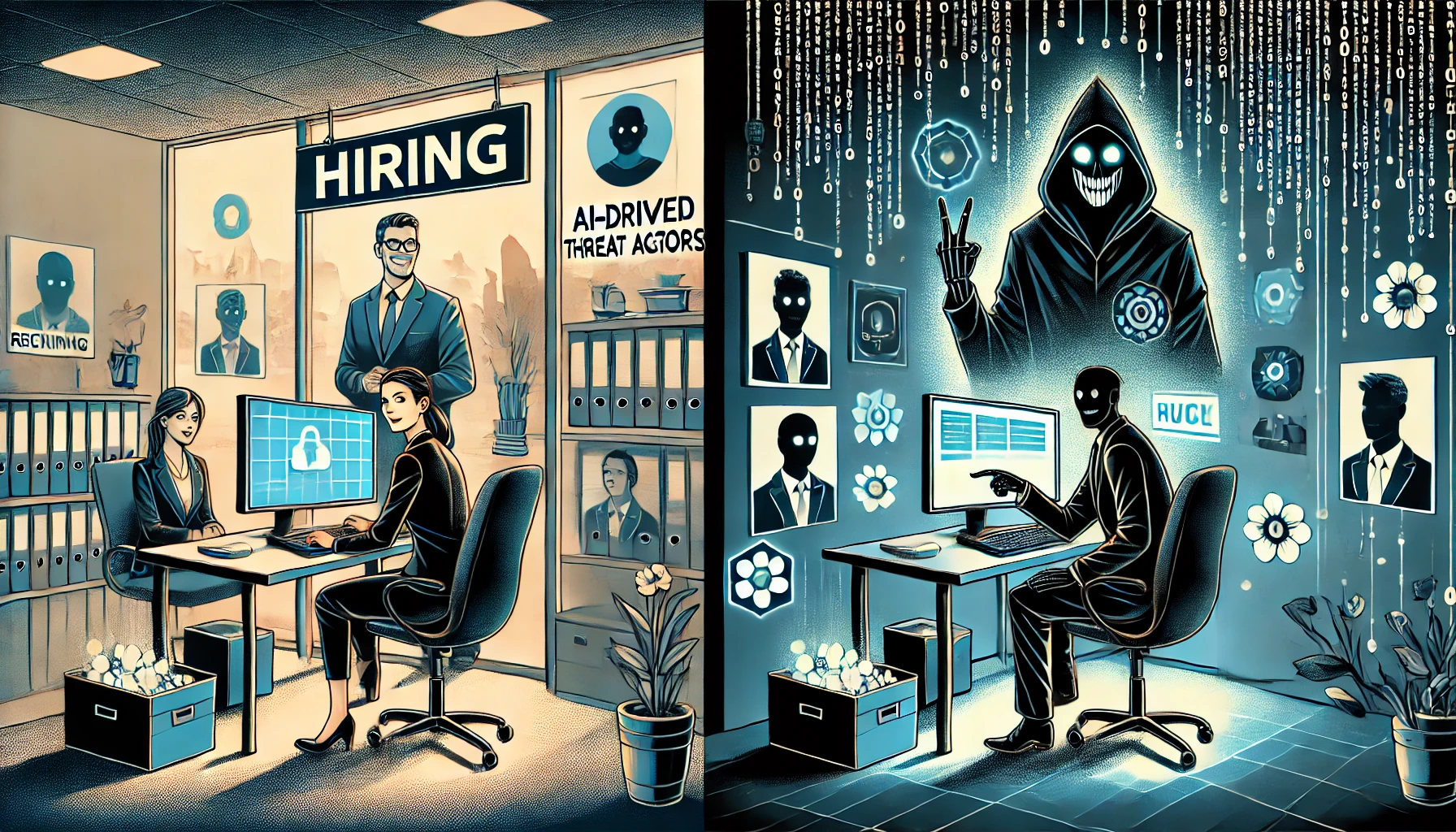
In a recent incident, a prominent cyber security company discovered they had inadvertently hired a North Korean operative posing as an IT professional. This individual, using various AI tools, managed to infiltrate the company by joining as an employee, accessed its systems and attempted to plant malware. The incident has brought to light the increasing sophistication of cyber threats during the recruitment process. If a major cyber security firm can fall victim, other less security-savvy organisations face even greater risks and underscores the necessity for robust verification processes and heightened vigilance in recruitment.