
Trick, treat or threat? Five AI cybersecurity scares worth taking seriously
This Halloween, businesses have plenty of reasons to be afraid and to look more closely at how they use artificial intelligence. The technology offers real benefits, but...
Our Managed Detection and Response Services provide continuous monitoring from a team who’ll neutralise any breaches at speed...
Gain access to malware experts to quickly contain threats and reduce future exposure to attacks...
Integrity360 has been recognised as a Gartner Representative Vendor.
Many organisations are choosing CyberFire MDR to strengthen their defences. Discover how it can protect your business in our brochure.
Cyber attacks often seem faceless, but hidden behind the headlines of financial loss and technical details there are very real human stories.
In 2025, we’re witnessing a shift in how ransomware operates, who it targets, and the consequences of falling victim.
Stay ahead of the latest cybersecurity industry developments, advancements and threats, and understand how you can best protect your organisation.
Do you know what your company’s network vulnerabilities are? Businesses that invest in penetration testing do.
If your business handles credit card data, PCI DSS compliance isn’t optional—it’s critical. From retailers and e-commerce platforms to service providers and financial institutions, securing credit card data is critical to customer trust and preventing fraud.
Stay informed with the latest cybersecurity news with our weekly threat roundups.
Confused about cybersecurity? Our A-Z Glossary of terms can help you navigate this complicated industry.
For many small and mid-sized businesses, cybersecurity can feel overwhelming.
SOC 2 certification reflects Integrity360’s continued investment in strengthening cyber resilience for clients across highly regulated and high-risk industries.
Integrity360 has acquired leading Identity specialist CyberIAM, a well-established and highly respected cybersecurity Identity services company operating from the UK and South Africa.
 Under Attack?
Posts by:
Matthew is a cybersecurity content and communications specialist with extensive experience translating complex security topics into clear, engaging content for technical and executive audiences. As Content Marketing and Social Media lead at Integrity360, he works closely with Integrity360 experts to develop thought leadership, technical blogs, webinars, and multi-channel campaigns that help organisations understand and respond to emerging cyber threats.

This Halloween, businesses have plenty of reasons to be afraid and to look more closely at how they use artificial intelligence. The technology offers real benefits, but...

When a factory is forced to halt production, costs mount and customers need answers. Ransomware groups are increasingly exploiting that pressure by targeting the systems...

An AI agent that can read your inbox, update customer records or execute code needs more than a well-written set of instructions. It needs clear limits on what it can...
Every October, organisations and individuals across the world mark Cybersecurity Awareness Month, an opportunity to strengthen cyber defences and build safer everyday...

Choosing the right security testing partner can shape how well your organisation withstands real-world threats. Integrity360 helps organisations evaluate and strengthen their defences through CREST-accredited assessments tailored to complex, multi-environment networks.

When organisations think about a data breach, attention often turns to attackers exploiting vulnerabilities, stealing credentials or gaining access to a network. The...
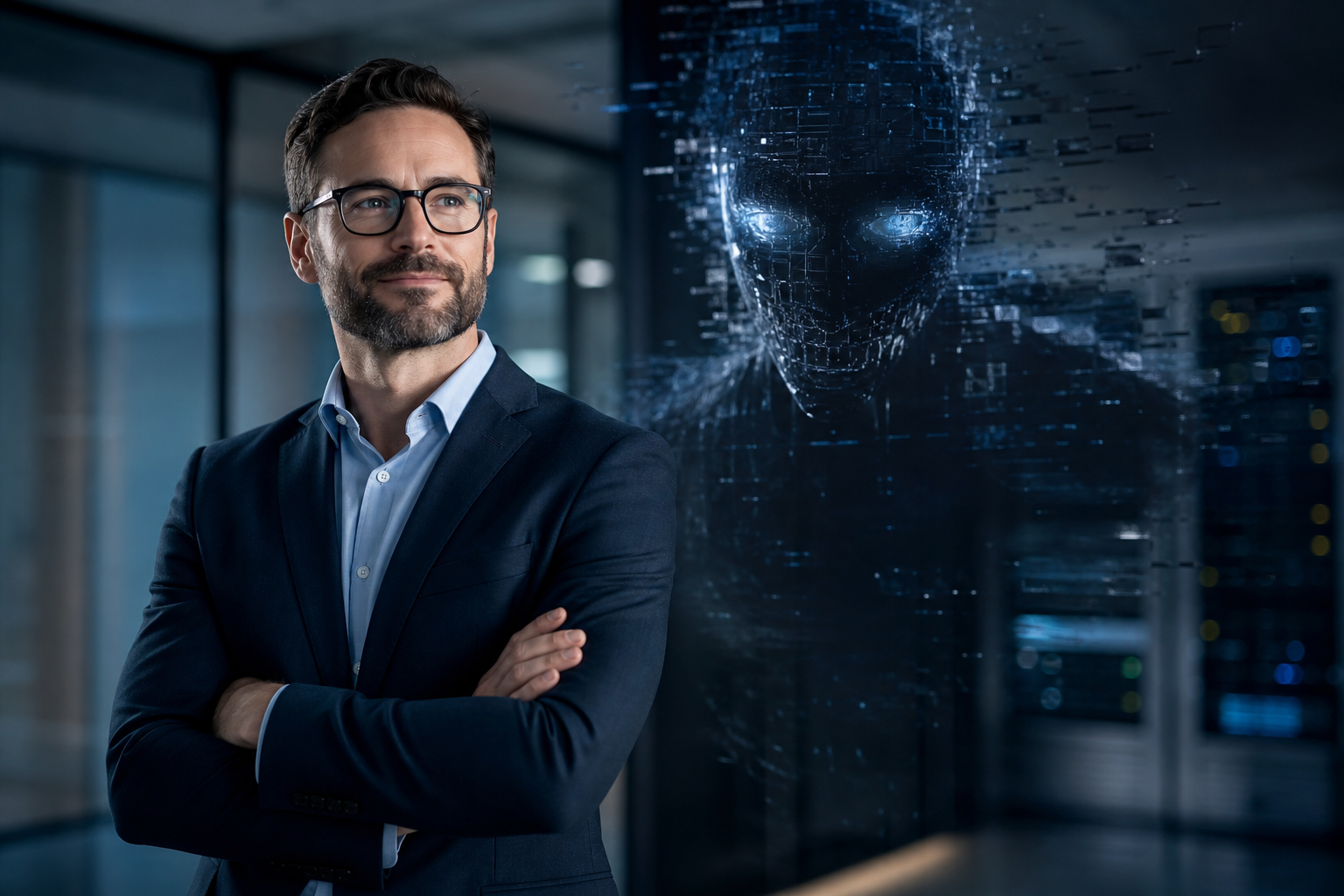
Artificial intelligence has changed the speed, scale and complexity of cyber risk. Attackers can use AI to automate reconnaissance, discover exposures, develop...

Cyber attacks against the energy sector are no longer confined to data theft, ransomware demands or disrupted office systems. Attackers are increasingly targeting the...

Recent cyber attacks against major retailers have disrupted online sales, delayed deliveries, affected product availability, exposed customer information and forced businesses to take critical systems offline. For organisations operating at scale, even a relatively short interruption can have significant financial and operational consequences.

AI is changing cyberattacks. It can accelerate reconnaissance, help attackers analyse potential vulnerabilities, improve phishing campaigns, create convincing synthetic identities and process huge amounts of information considerably faster than a human attacker could alone. But there is an important point at risk of being lost amid all the talk about AI-powered cyber threats.

Managed Detection and Response (MDR) is a cybersecurity service that goes beyond traditional monitoring to actively hunt for, detect, and neutralise threats across your network. For healthcare organisations, this means having a dedicated team of security analysts watching over clinical systems, patient data, and connected medical devices at all hours.

Saying that a third-party service provider is “PCI compliant” is not a conclusion; it is the starting point for further verification.
Hamburg, Germany
Paris, France
Brussels, Belgium
Calgary, Canada
Chester, United Kingdom