Insights
Posts about:
Industry Trends & Insights (3)
Do you know your security maturity level? AI has changed the game
Artificial intelligence has changed the speed, scale and complexity of cyber risk. Attackers can use AI to automate reconnaissance, discover exposures, develop...
Protecting the energy sector from cyber attacks: Why OT security must come first
Cyber attacks against the energy sector are no longer confined to data theft, ransomware demands or disrupted office systems. Attackers are increasingly targeting the...
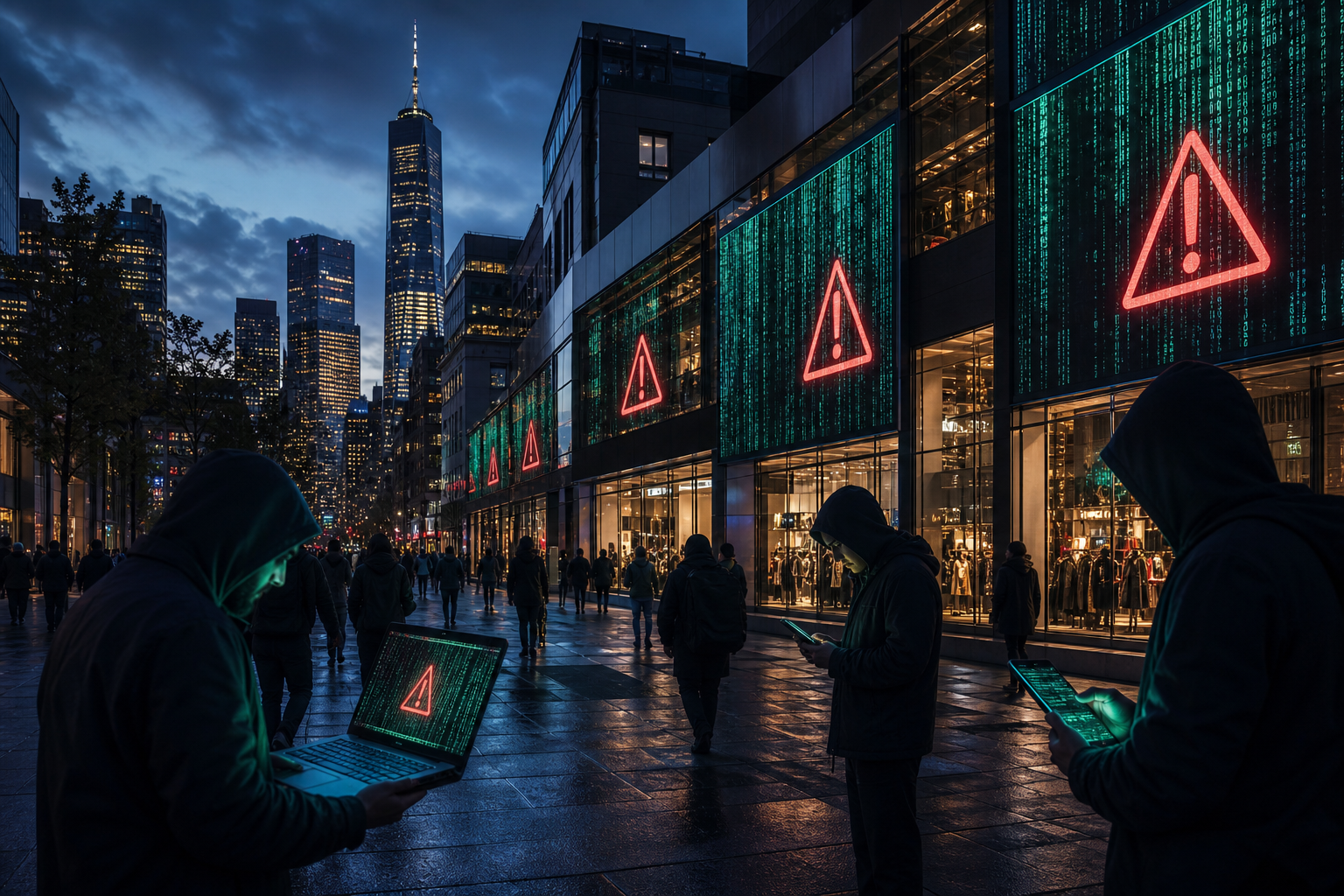
Retail Cyber Attacks: How to Prepare, Respond and Recover
Recent cyber attacks against major retailers have disrupted online sales, delayed deliveries, affected product availability, exposed customer information and forced businesses to take critical systems offline. For organisations operating at scale, even a relatively short interruption can have significant financial and operational consequences.
Cyber Resilience Act: Why the 11 September deadline reaches beyond manufacturers
Most compliance calendars record the Cyber Resilience Act as a December 2027 obligation. That is when the substance of the regulation applies: security by design,...
Common mistakes when implementing PCI DSS (and how to avoid them)
Compliance with the Payment Card Industry Data Security Standard (PCI DSS) is an essential requirement for any organisation that processes, stores, or transmits payment card data. However, many companies underestimate its complexity and make mistakes that not only delay compliance but also increase the risk of security breaches.
Why Cyber Hygiene still matters in the age of AI
AI is changing cyberattacks. It can accelerate reconnaissance, help attackers analyse potential vulnerabilities, improve phishing campaigns, create convincing synthetic identities and process huge amounts of information considerably faster than a human attacker could alone. But there is an important point at risk of being lost amid all the talk about AI-powered cyber threats.
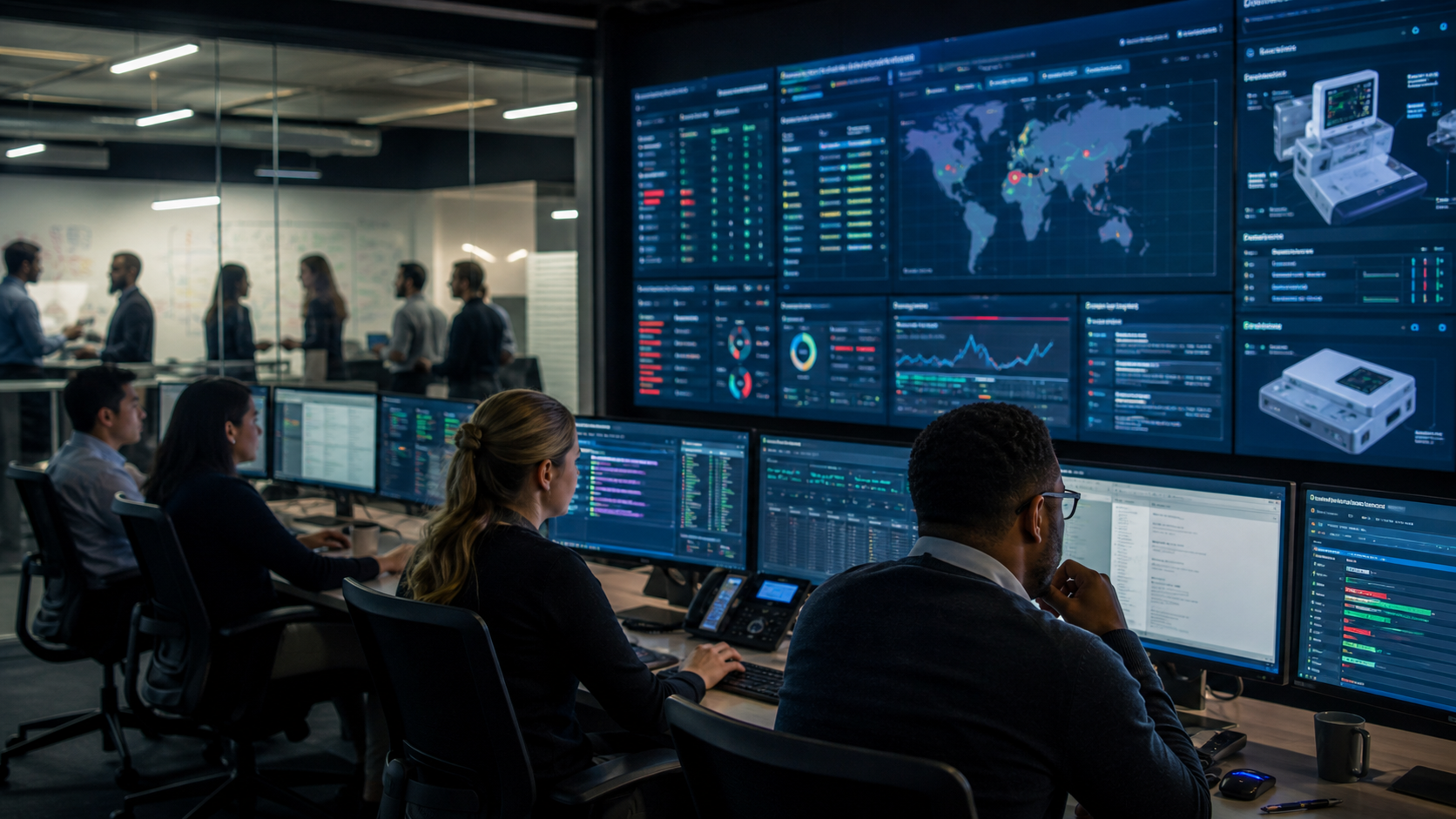
How does MDR protect healthcare networks in 2026
Managed Detection and Response (MDR) is a cybersecurity service that goes beyond traditional monitoring to actively hunt for, detect, and neutralise threats across your network. For healthcare organisations, this means having a dedicated team of security analysts watching over clinical systems, patient data, and connected medical devices at all hours.
Why a PCI DSS third-party service provider’s AOC is not enough
Saying that a third-party service provider is “PCI compliant” is not a conclusion; it is the starting point for further verification.
The importance of Cyber Threat Intelligence for resilience
Cyber resilience depends on more than strong security tools. To defend effectively, organisations need to understand the threats they face, the adversaries behind them and the ways those adversaries may target their people, systems, data and brand. This is where cyber threat intelligence plays a critical role.
Make better security decisions with Threat Intelligence services
Threat intelligence services help organisations identify, understand and prioritise cyber threats before they become security incidents. By providing actionable insights into threat actors, vulnerabilities, data exposure, brand impersonation and fraud activity, threat intelligence enables CISOs and security teams to make better-informed cybersecurity decisions.
Too many Cybersecurity vendors? Why you need one trusted partner
Most organisations have invested heavily in cybersecurity technology from multiple vendors, yet an expansive cybersecurity stack does not guarantee effective protection. Overlapping, disconnected or underused tools can overwhelm internal teams and limit visibility leaving them vulnerable to threat actors.