
You keep spending more on Cybersecurity. Why doesn't it feel any easier?
Organisations are investing more in cybersecurity than ever before. According to Gartner Global IT spending is expected to reach $7.35 Trillion in 2027 and continue...
Our Managed Detection and Response Services provide continuous monitoring from a team who’ll neutralise any breaches at speed...
Gain access to malware experts to quickly contain threats and reduce future exposure to attacks...
Integrity360 has been recognised as a Gartner Representative Vendor.
Many organisations are choosing CyberFire MDR to strengthen their defences. Discover how it can protect your business in our brochure.
Cyber attacks often seem faceless, but hidden behind the headlines of financial loss and technical details there are very real human stories.
In 2025, we’re witnessing a shift in how ransomware operates, who it targets, and the consequences of falling victim.
Stay ahead of the latest cybersecurity industry developments, advancements and threats, and understand how you can best protect your organisation.
Do you know what your company’s network vulnerabilities are? Businesses that invest in penetration testing do.
If your business handles credit card data, PCI DSS compliance isn’t optional—it’s critical. From retailers and e-commerce platforms to service providers and financial institutions, securing credit card data is critical to customer trust and preventing fraud.
Stay informed with the latest cybersecurity news with our weekly threat roundups.
Confused about cybersecurity? Our A-Z Glossary of terms can help you navigate this complicated industry.
For many small and mid-sized businesses, cybersecurity can feel overwhelming.
SOC 2 certification reflects Integrity360’s continued investment in strengthening cyber resilience for clients across highly regulated and high-risk industries.
Integrity360 has acquired leading Identity specialist CyberIAM, a well-established and highly respected cybersecurity Identity services company operating from the UK and South Africa.
 Under Attack?
Posts about:

Organisations are investing more in cybersecurity than ever before. According to Gartner Global IT spending is expected to reach $7.35 Trillion in 2027 and continue...

Threat intelligence services help organisations identify, understand and prioritise cyber threats before they become security incidents. By providing actionable insights into threat actors, vulnerabilities, data exposure, brand impersonation and fraud activity, threat intelligence enables CISOs and security teams to make better-informed cybersecurity decisions.

Vulnerability exploitation has overtaken stolen credentials as the leading initial access vector for breaches for the first time in 19 years. AI is one of the reasons why.
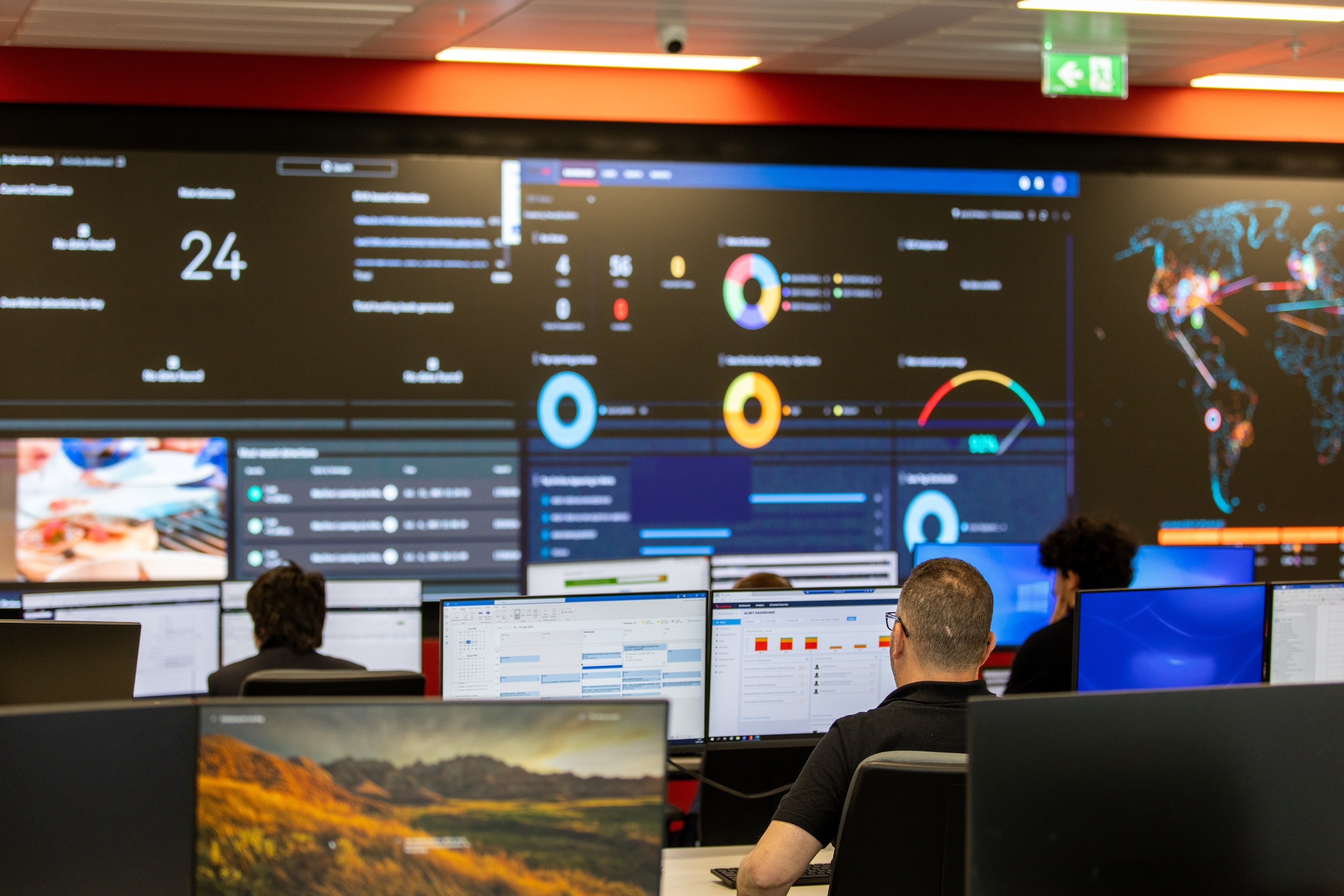
As cyber threats continue to grow in volume, speed and sophistication, organisations face a big challenge. How do you achieve round-the-clock security coverage that is globally consistent, yet locally relevant to your business, your region and your regulatory environment?
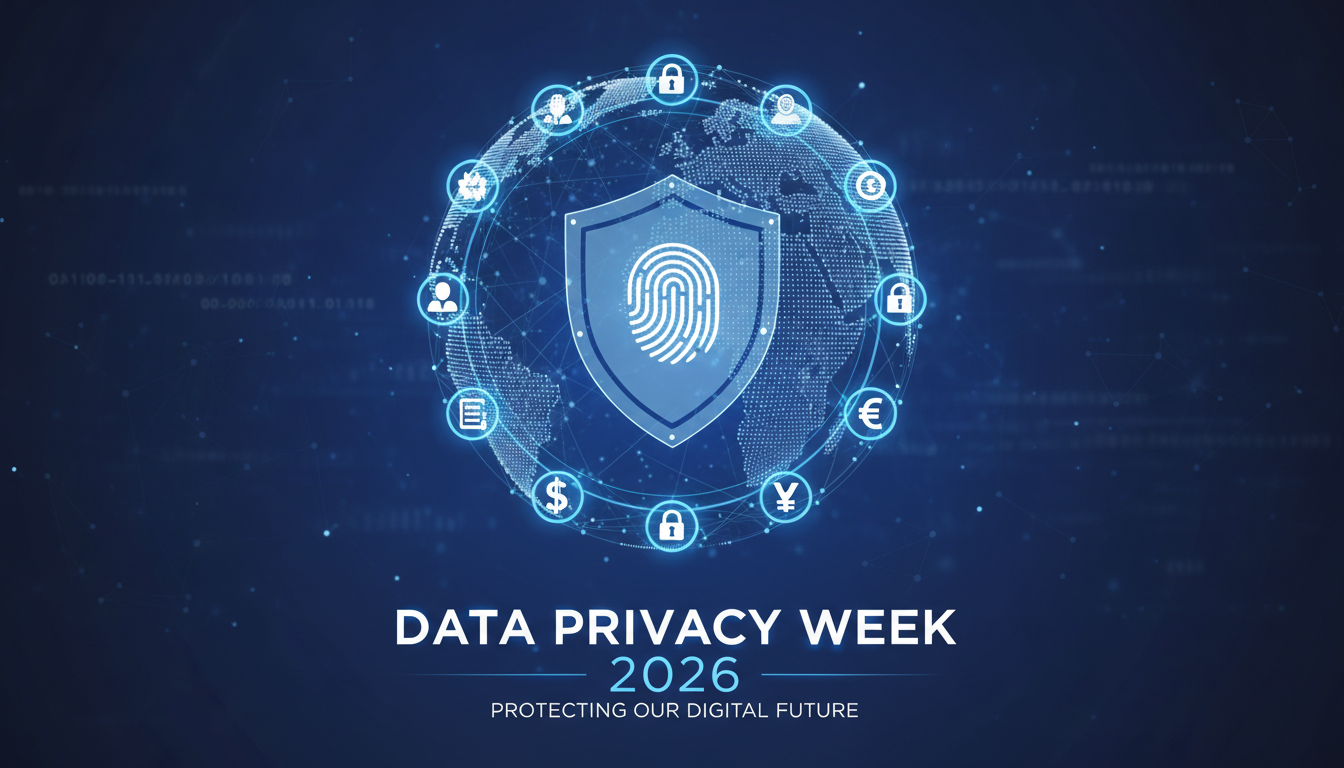
Data privacy remains one of the most critical business issues in 2026, but the conversation has matured. Data is still one of the most valuable assets most organisations possess, yet it is now more distributed, more interconnected and more exposed than ever before. Cloud platforms, AI systems, third-party integrations and machine identities mean data is constantly being accessed, processed and moved in ways that are not always fully understood.

As organisations move into 2026, the question is no longer whether an incident will occur, but how well a business can withstand it, contain it, and recover without serious disruption. This shift in thinking reflects a broader change in the industry, one that is redefining what resilience really means in an era shaped by automation, AI and human decision making.

Every December, as workplaces wind down into a mix of end-of-year wrap-ups, office parties and questionable jumper choices, something else stirs in the digital world. Holiday music fills the radio, fairy lights appear across cities, and attackers quietly get to work. Because while most people are looking to switch off, the threat landscape absolutely isn’t. In fact, the festive period is often one of its busiest.
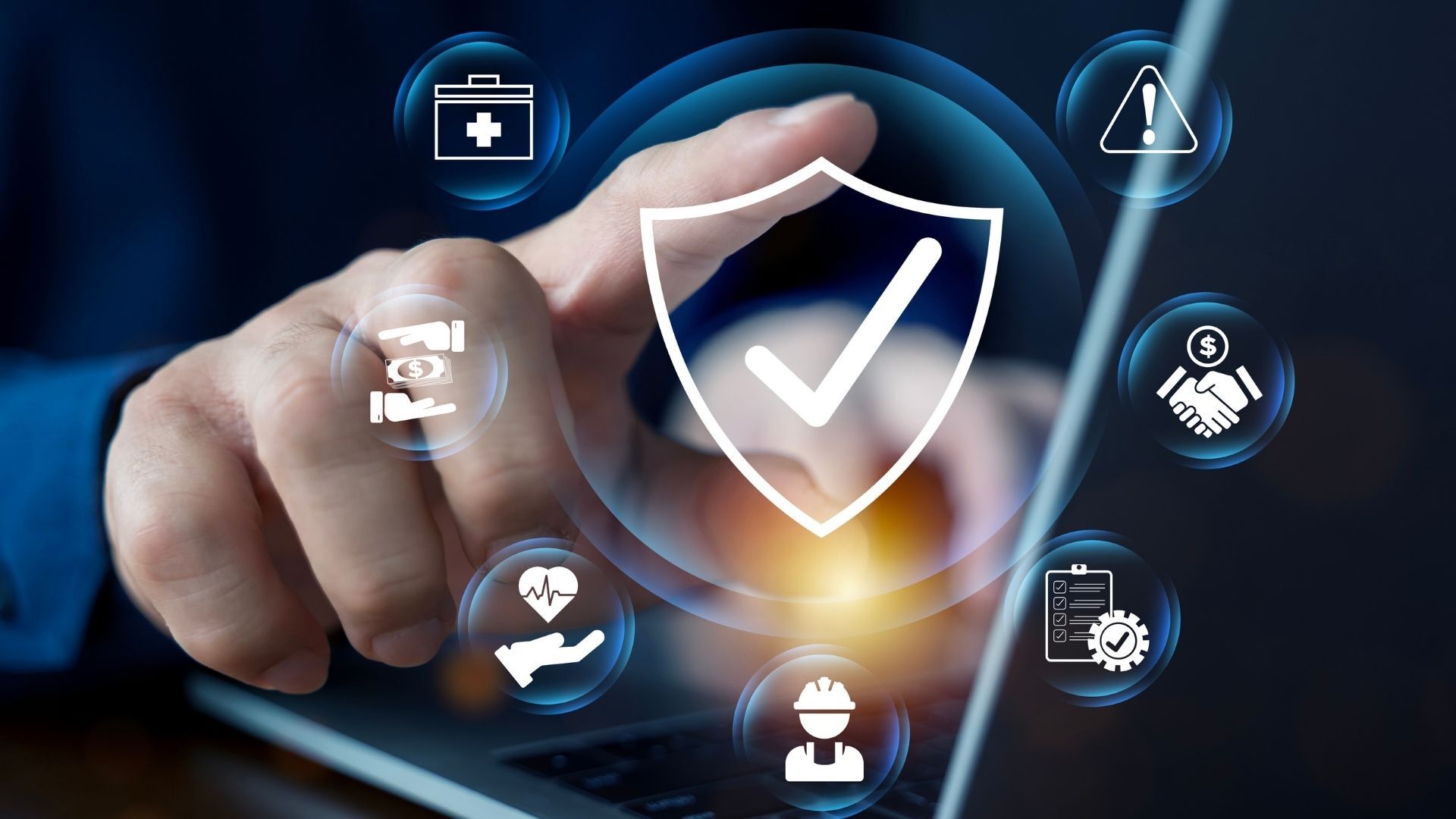
A single lapse in security awareness can have serious consequences. One misplaced click, one downloaded attachment, or one moment of trust in a convincing email is enough to set off a chain reaction that results in data loss, financial damage, reputational harm and operational disruption.

For many small and mid-sized businesses, cyber security can feel overwhelming. You know threats like ransomware, phishing, data theft and much more are out there, but it’s hard to know where to start to begin protecting your business.

No one says it outright, but every Chief Information Security Officer (CISO) knows the truth. That success in their role is defined not by the years of stability, but by the moment of crisis. The pressure is immense, and often unfair. Cyber risk can never be reduced to zero, yet the expectation remains that it should be.

With cyber threats evolving faster than ever, choosing the right Managed Detection and Response (MDR) provider has become one of the most important security decisions any organisation can make. The right partner doesn’t just monitor for attacks – they help you respond, recover, and strengthen your cyber resilience continuously.

For many small and medium-sized enterprises (SMEs), the firewall remains the first and often main line of defence against cyber threats. Yet too often, firewalls are treated as a one-off purchase rather than a living, evolving security control. Misconfigurations, outdated software, and a lack of oversight can open the door to attacks that would otherwise be preventable. Below we explore five of the most common SME firewall missteps, the risks they pose, and how Integrity360 helps businesses avoid them.
Hamburg, Germany
Paris, France
Brussels, Belgium
Calgary, Canada
Chester, United Kingdom